Share

Logistics Trends 2026 – navigating a world of change

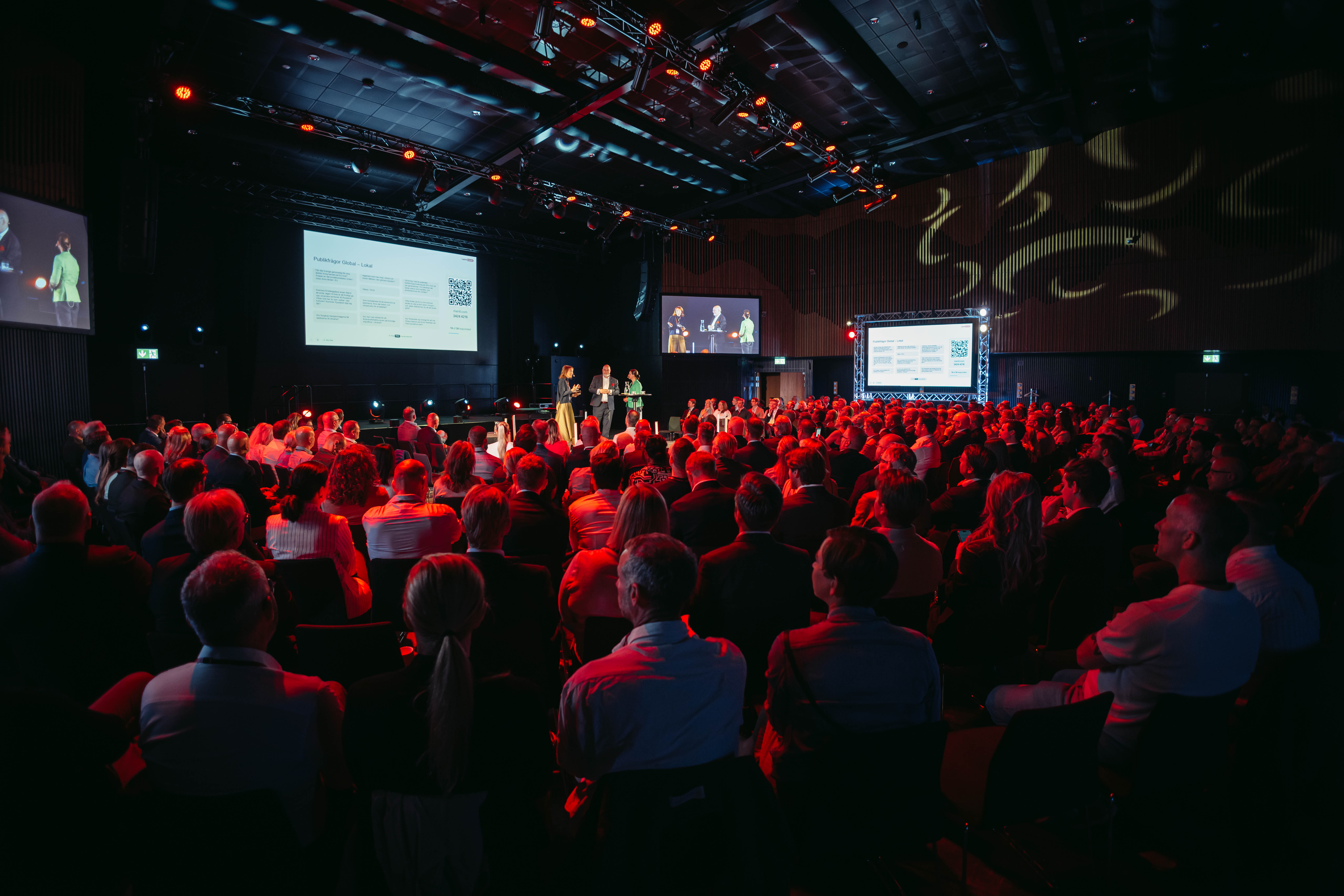
How do we find the right way forward in a time defined by geopolitical uncertainty, technological advancement and the need for a faster sustainable transition? On 26 May 2026, Catena brought together customers and partners in Helsingborg to discuss the complex balancing act facing logistics.

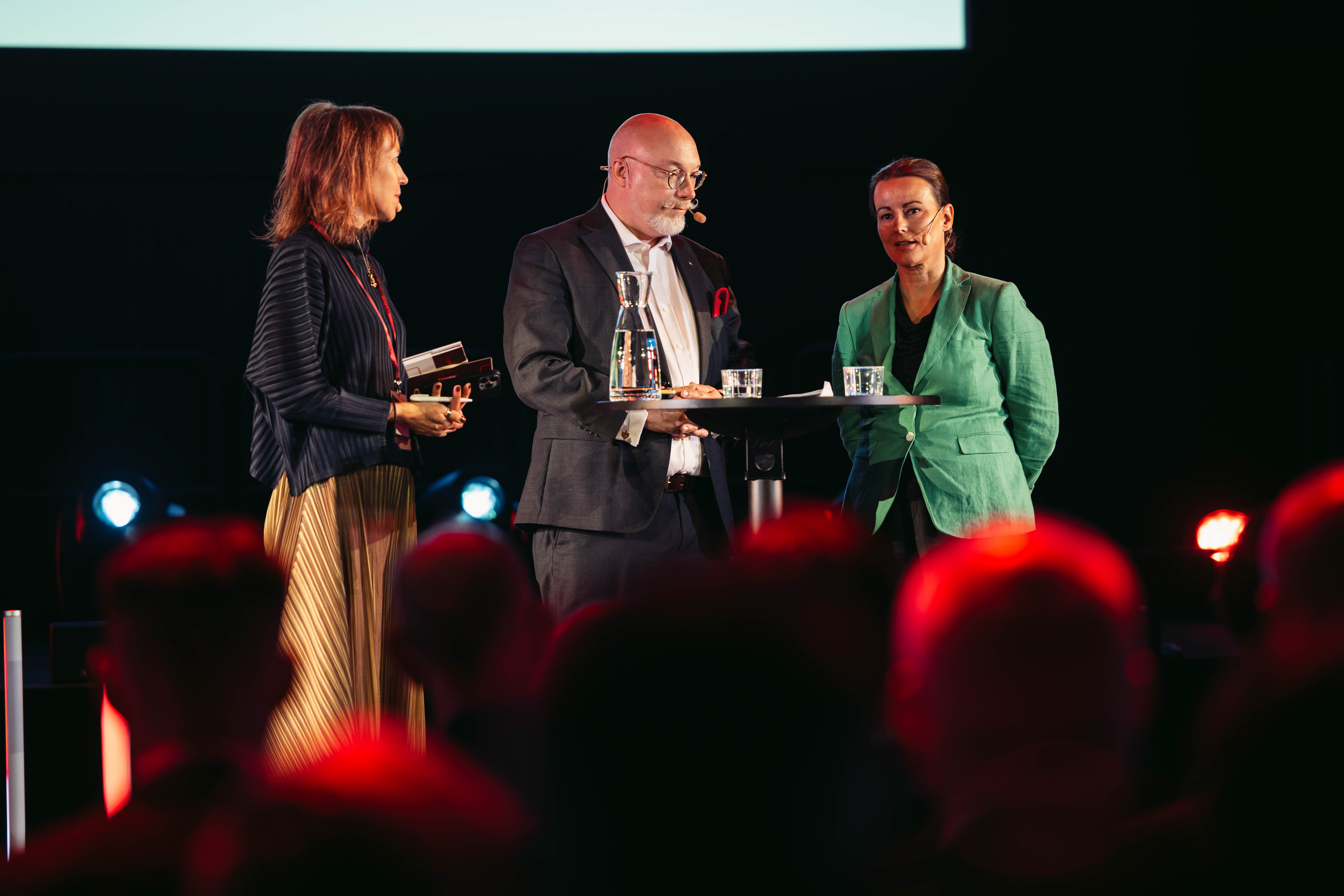
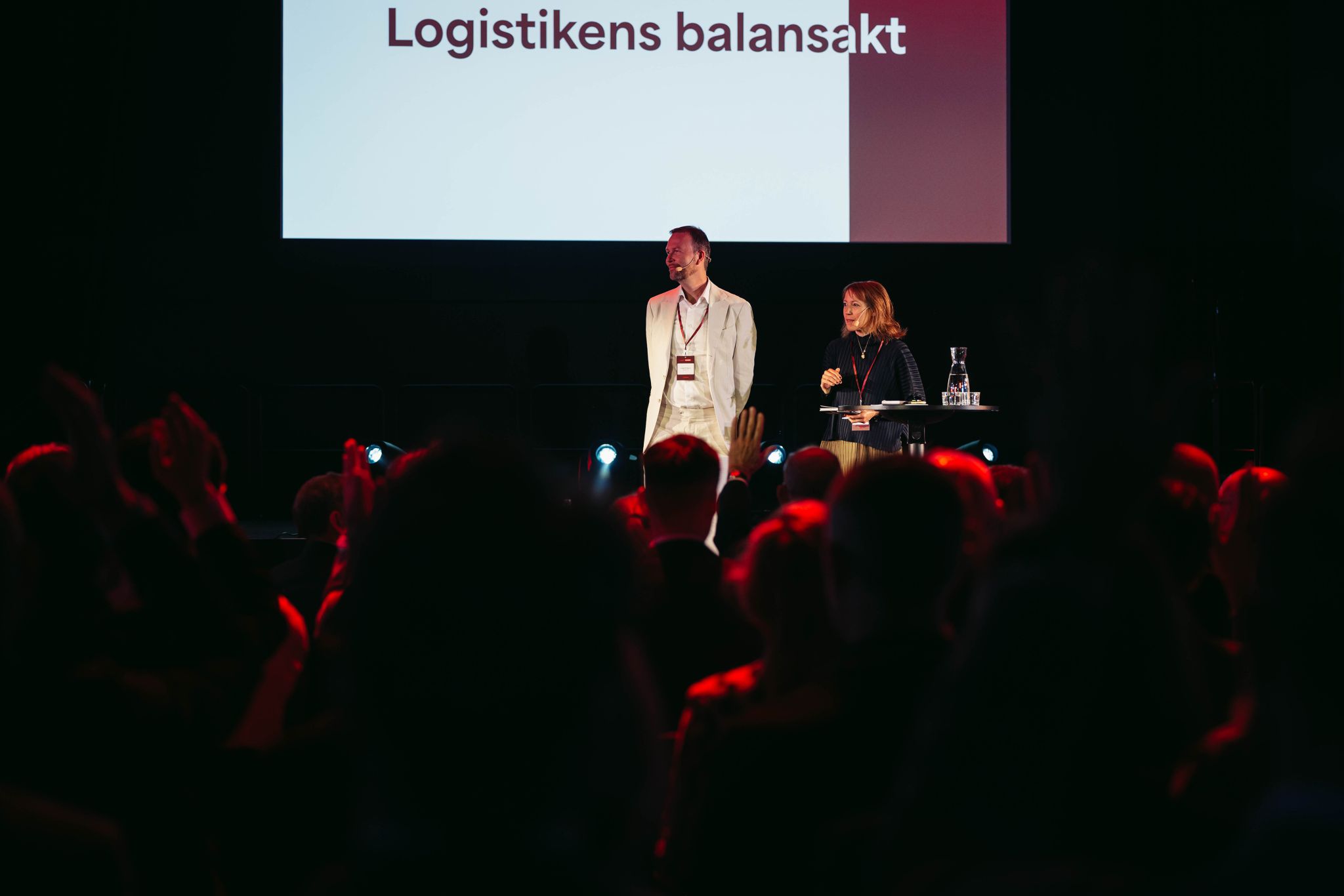
The importance of weighing different perspectives against each other was a clear takeaway from Logistics Trends 2026 under the theme The balancing act of logistics. With insights spanning global trade, the realities of war, AI and the green transition, the day centred around an increasingly important question: how do we build resilience in a world where conditions can change rapidly?

653A5349
1779800209618
653A5328

Pernilla Trägårdh, Deputy Director-General and Head of Trade and Security at Kommerskollegium (National Board of Trade Sweden), opened the day with a snapshot of the state of global trade. Trade policy has become intertwined with security policy. How can deliveries and production chains be planned when conditions shift from one day to the next? As dependencies on individual suppliers increase vulnerability, diversified supply chains, well-functioning international relations and a strong European single market are becoming key components of future resilience.

From a very different perspective, Håkan Jyde, Managing Director of Scania's subsidiary in Ukraine, described how local operations have continued despite the extreme conditions of war. His account offered a concrete reminder of the critical role of logistics in maintaining essential societal functions – and of the importance of responsibility, creativity and decisiveness when the external environment is pushed to its limits.

You need a plan A, B and C, and at the same time be prepared to rethink everything.
- Håkan Jyde

AI was another clear theme throughout the day. Caroline Ortmark highlighted the need to view AI as a strategic enabler rather than a limited technology project. When technology takes over repetitive and administrative tasks, time can be freed up for activities that create real value.

Henri Hyppönen, author, serial entrepreneur and Global Head of Innovation at Younite AI, also addressed AI – but from a broader perspective on how intelligent systems reshape decision-making, leadership and ultimately our view of the future role of humans.

We need fast machines so that we can excel at beeing slow

- Henri Hyppönen

In the discussion on the green transition, Kristina Alvendal, National Industry Coordinator and Head of the Acceleration Office, pointed to the tension between ambitious targets and slow processes. Strengthening competitiveness and driving the transition forward requires not only political will, but also better collaboration between businesses, authorities and policymakers.

Authorities need to start considering the cost of not making a decision.
- Kristina Alvendal

The day concluded with reflections on how to encourage short-term mindsets to act with a long-term perspective. Per Espen Stoknes demonstrated how communication, behaviour and tangible examples in people’s everyday environments can make sustainability issues more understandable – and therefore more actionable. It became clear that resilience is not only about systems and flows, but also about people, incentives and trust.

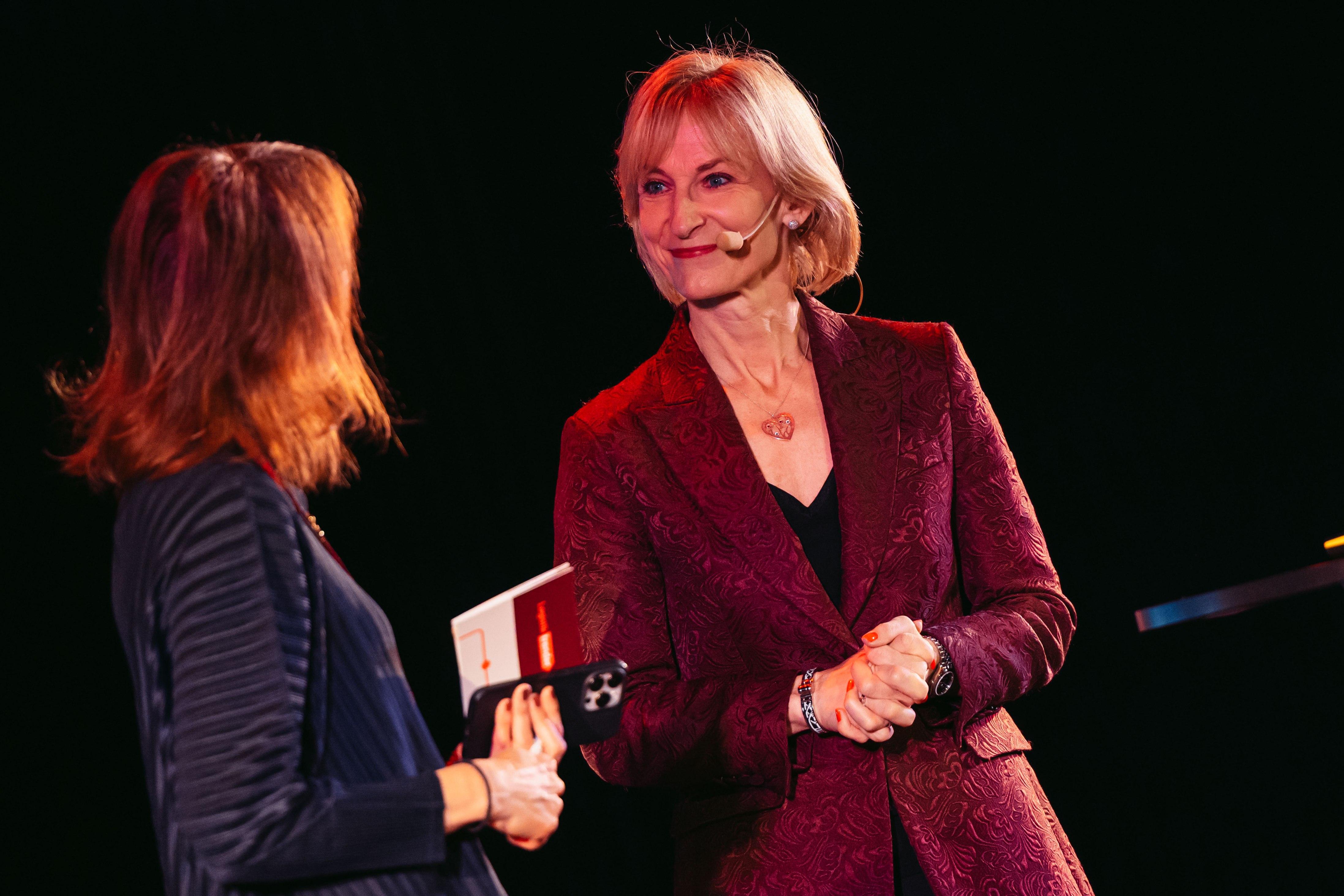
Together with the speakers, moderator Katarina Wallin concluded in the final panel discussion that the balancing act of the future is rarely about choosing between global and local, development and transition, efficiency and robustness, or technology and human beings. Instead, it is about understanding how everything is interconnected – and about creating room for action in a time when the ability to balance different perspectives may be the greatest strength of all.

About Logistics Trends

Catena annually invites decision-makers from across the logistics sector to the Logistics Trends event, with the aim of encouraging knowledge exchange and strengthening collaboration with customers and partners.