


How Catena reuses rainwater in new construction projects
Access to water is becoming an increasingly important issue. In a report from a UN body, the United Nations University Institute for Water, Environment and Health (UNU-INWEH), warnings are issued about so-called global water bankruptcy—a situation in which water resources in many parts of the world are being used faster than they can be replenished. At the same time, long-term water reserves in groundwater aquifers and wetlands are being depleted or destroyed, in some cases beyond the possibility of recovery.
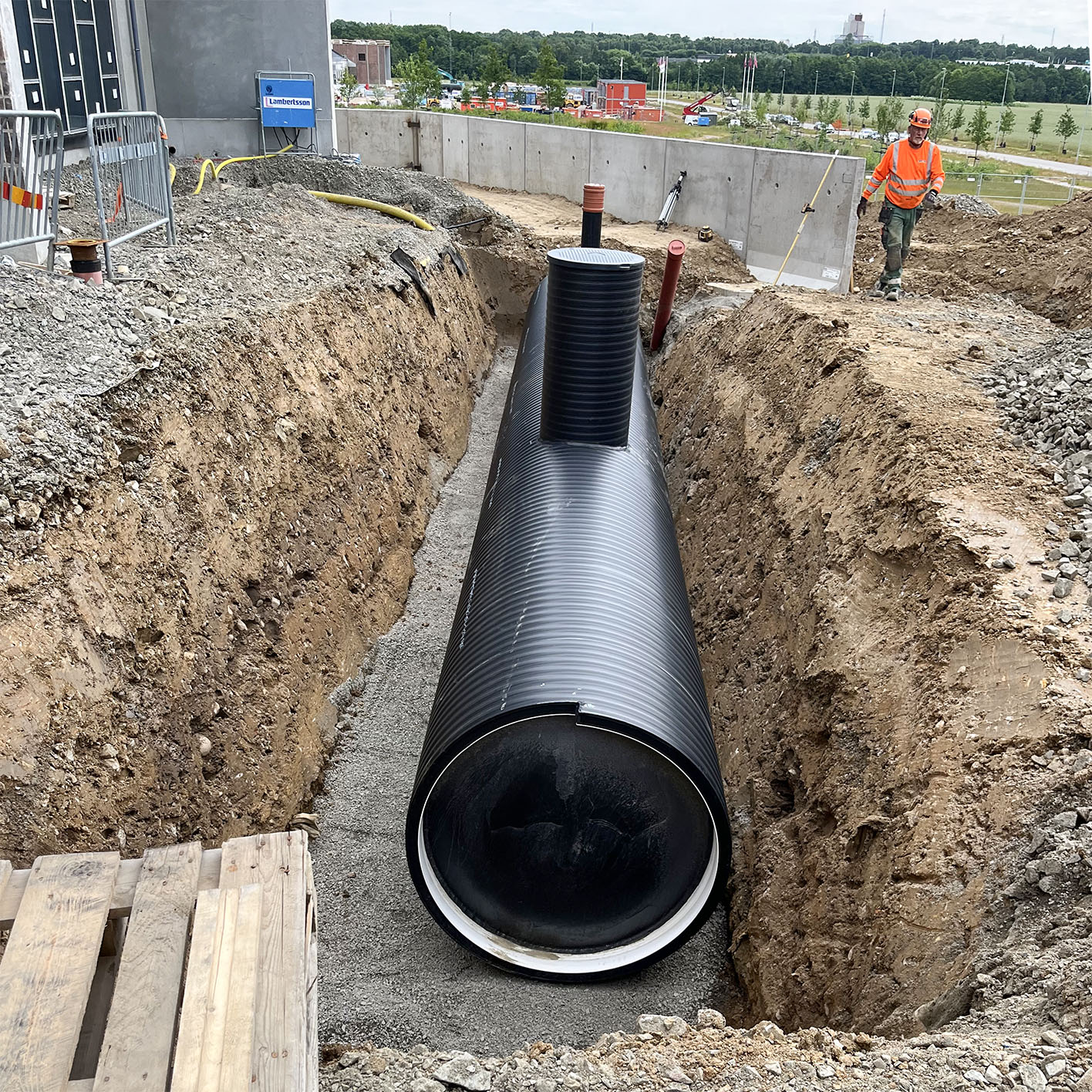
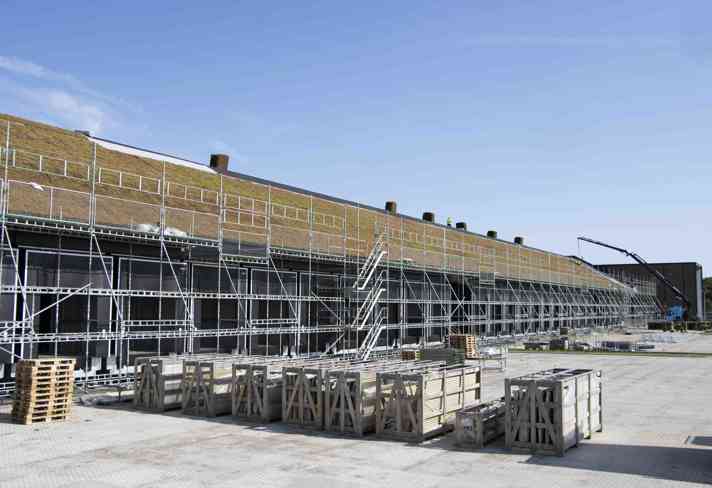
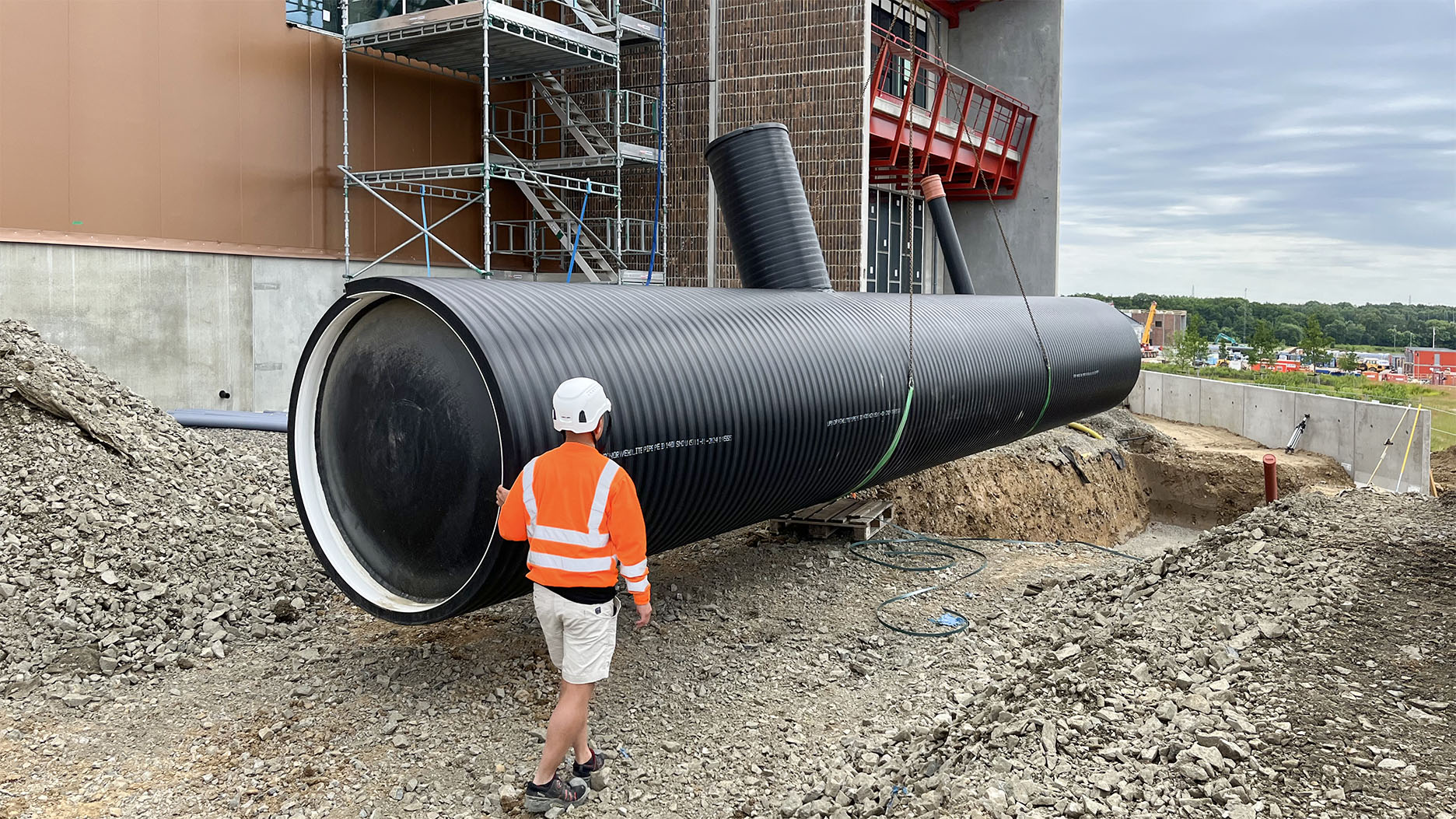
At Catena, we take a long-term approach to our properties, and in new construction projects we focus on optimizing environmental performance through smart and resource-efficient systems. One concrete example is how we make use of rainwater by collecting water from our roofs. The rainwater is collected from roof surfaces, directed to underground water tanks, and purified through filters before being used for toilet flushing in the buildings.
One such example is the property Hyltena 1:102 in Jönköping, which comprises 91,000 square meters. Here, we have installed a water tank with a volume of 50 cubic meters. According to statistics from commissioning to date, 96.7 percent of toilet flushing in the building has been carried out using water from the rainwater tank.
Rainwater is also reused at Logistikposition Landvetter. At the property Dansered 1:69, we have installed a 25-cubic-meter water tank, and here 81.4 percent of toilet flushing now takes place using rainwater. At Dansered 1:70 as well, where the tank has a capacity of 5 cubic meters, rainwater accounts for a large share of toilet flushing—96.6 percent.
The same system is used at the property Stigamo 1:49 in Jönköping and at Logistikposition Ramlösa in Helsingborg. There, tank volumes vary between 15 and 30 cubic meters, adapted to the conditions of each individual property.